
Course Overview
Healthcare Support Services Level 5 is a competency-based healthcare programme designed to equip learners with the knowledge, practical skills and professional attitudes required to support patients and healthcare professionals in hospitals, clinics, health centres, long-term care facilities and other healthcare settings.
The programme focuses on essential patient-support services, infection prevention and control, basic clinical support, health facility operations, patient safety, communication and professional ethics.
Learners gain practical experience in assisting with patient care, maintaining a safe and hygienic healthcare environment, supporting healthcare teams and carrying out healthcare support duties within their scope of practice.
What You Will Learn
Students undertaking Healthcare Support Services Level 5 will develop skills and knowledge in:
1. Patient Care and Support
- Assist patients with activities of daily living.
- Support patients with personal hygiene and comfort.
- Apply appropriate patient handling techniques.
- Assist with mobility and positioning of patients.
- Promote patient dignity, privacy and safety.
2. Infection Prevention and Control
- Understand principles of infection prevention and control.
- Apply appropriate hand hygiene procedures.
- Use personal protective equipment correctly.
- Maintain hygienic healthcare environments.
- Apply procedures for handling healthcare waste and contaminated materials.
3. First Aid Services
- Recognize common emergencies.
- Apply basic first aid procedures.
- Respond appropriately to injuries and medical emergencies.
- Support patients while awaiting further medical assistance.
4. Human Anatomy and Physiology
- Understand the basic structure of the human body.
- Learn the functions of major body systems.
- Relate basic anatomy and physiology to patient care and healthcare support.
5. Common Diseases
- Identify common diseases and health conditions.
- Understand basic signs and symptoms.
- Learn appropriate healthcare support measures.
- Understand the importance of referral and professional medical intervention.
6. Medical Terminology
- Understand commonly used healthcare terminology.
- Communicate effectively within healthcare environments.
- Interpret basic medical terms used in patient care and documentation.
7. Healthcare Facility Organization
- Understand how healthcare facilities are organized.
- Learn the roles of different healthcare professionals.
- Understand patient flow and basic healthcare service delivery.
- Work effectively as part of a healthcare team.
8. Maternal and Child Health
- Understand basic maternal and child healthcare needs.
- Support mothers and children within healthcare settings.
- Learn basic principles of child growth, development and wellbeing.
9. Clinical Pharmacology
- Understand basic concepts of medicines and their use.
- Recognize common medication-related terminology.
- Support healthcare professionals in appropriate medication-related procedures within the learner's scope of practice.
- Understand basic medication safety principles.
10. Medical Microbiology
- Understand microorganisms and their relationship to disease.
- Learn how infections are transmitted.
- Apply infection prevention measures in healthcare settings.
11. Hospital Housekeeping
- Maintain cleanliness and hygiene within healthcare facilities.
- Apply appropriate cleaning procedures.
- Handle healthcare waste safely.
- Support the maintenance of a safe patient environment.
12. Medical-Legal and Professional Ethics
- Understand patient rights and confidentiality.
- Apply professional ethics in healthcare.
- Maintain appropriate boundaries when supporting patients.
- Understand legal and ethical responsibilities within healthcare practice.
13. Communication Skills
- Communicate effectively with patients and healthcare professionals.
- Demonstrate empathy and professionalism.
- Handle patient information appropriately.
- Develop effective teamwork and interpersonal skills.
14. Digital and Employability Skills
- Use basic digital tools in the workplace.
- Develop workplace communication skills.
- Apply problem-solving and teamwork skills.
- Demonstrate professionalism, reliability and good work ethics.
15. Entrepreneurial Skills
- Understand basic entrepreneurship principles.
- Identify opportunities within healthcare support services.
- Develop basic business and self-employment skills.
Practical Training
The programme combines classroom-based learning with practical skills development. Students have opportunities to apply their knowledge through demonstrations, simulations and practical/clinical exposure in healthcare environments.
Practical training may include patient support, infection prevention and control, first aid, patient handling, hygiene and housekeeping, communication and other healthcare support procedures.
Career Opportunities
Graduates of Healthcare Support Services Level 5 can pursue opportunities in:
- Public hospitals
- Private hospitals
- Health centres and clinics
- Nursing and long-term care facilities
- Rehabilitation facilities
- Community healthcare organizations
- Home-based care services
- Other healthcare support environments
Potential roles may include:
- Healthcare Support Assistant
- Healthcare Assistant
- Patient Care Assistant
- Hospital Support Assistant
- Nursing Assistant
- Healthcare Facility Support Worker
Specific job titles and scope of practice depend on the employer and applicable professional and regulatory requirements.
Entry Requirements
The national qualification framework lists KCSE Mean Grade D (Plain) or a Level 4 qualification as the entry requirement for the Level 5 Health Services Support qualification.
For your website, you can display:
Minimum Entry Requirement: KCSE Mean Grade D (Plain) or equivalent Level 4 qualification.
Certification
The programme is examined and certified under the TVET Curriculum Development, Assessment and Certification Council (TVET-CDACC) framework. Healthcare Support Services is officially listed as a Level 5 qualification.
Entry Requirements
Course Details
Upcoming Intakes
Apply by: Dec 15, 2027
Apply by: Jan 15, 2028
Apply by: Feb 15, 2028
Apply by: Mar 15, 2028
Apply by: Apr 15, 2028
Apply by: May 15, 2028
Apply by: Jun 15, 2028
Apply by: Jul 15, 2028
Apply by: Aug 15, 2028
Apply by: Sep 15, 2028
Apply by: Oct 15, 2028
Apply by: Nov 15, 2028
Apply by: Dec 15, 2026
Apply by: Jan 15, 2027
Apply by: Feb 15, 2027
Apply by: Mar 15, 2027
Apply by: Apr 15, 2027
Apply by: May 15, 2027
Apply by: Jun 15, 2027
Apply by: Jul 15, 2027
Apply by: Aug 15, 2027
Apply by: Sep 15, 2027
Apply by: Oct 15, 2027
Apply by: Nov 15, 2027
Apply by: Dec 15, 2025
Apply by: Jan 15, 2026
Apply by: Feb 15, 2026
Apply by: Mar 15, 2026
Apply by: Apr 15, 2026
Apply by: May 15, 2026
Apply by: Jun 15, 2026
Apply by: Jul 15, 2026
Apply by: Aug 15, 2026
Apply by: Sep 15, 2026
Apply by: Oct 15, 2026
Apply by: Nov 15, 2026
Related Courses

Caregiving (LEVEL 3)
Learn More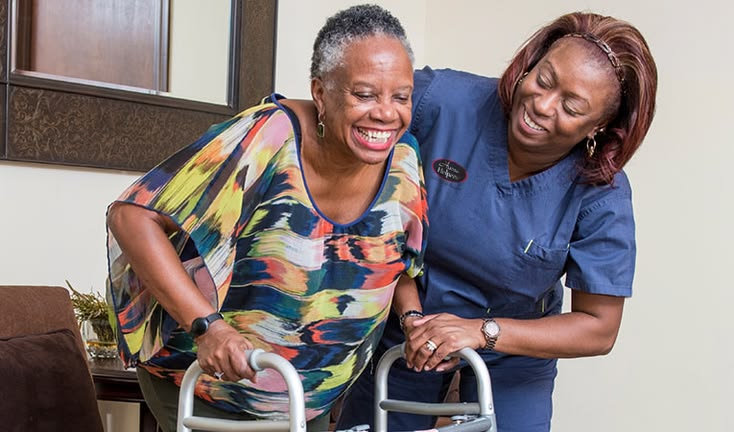
Caregiving (LEVEL 4)
Learn More
Perioperative Theatre Technology (Level 6)
Perioperative Theatre Technology Level 6 is a competency-based healthcare progra...
Learn More