
Course Overview
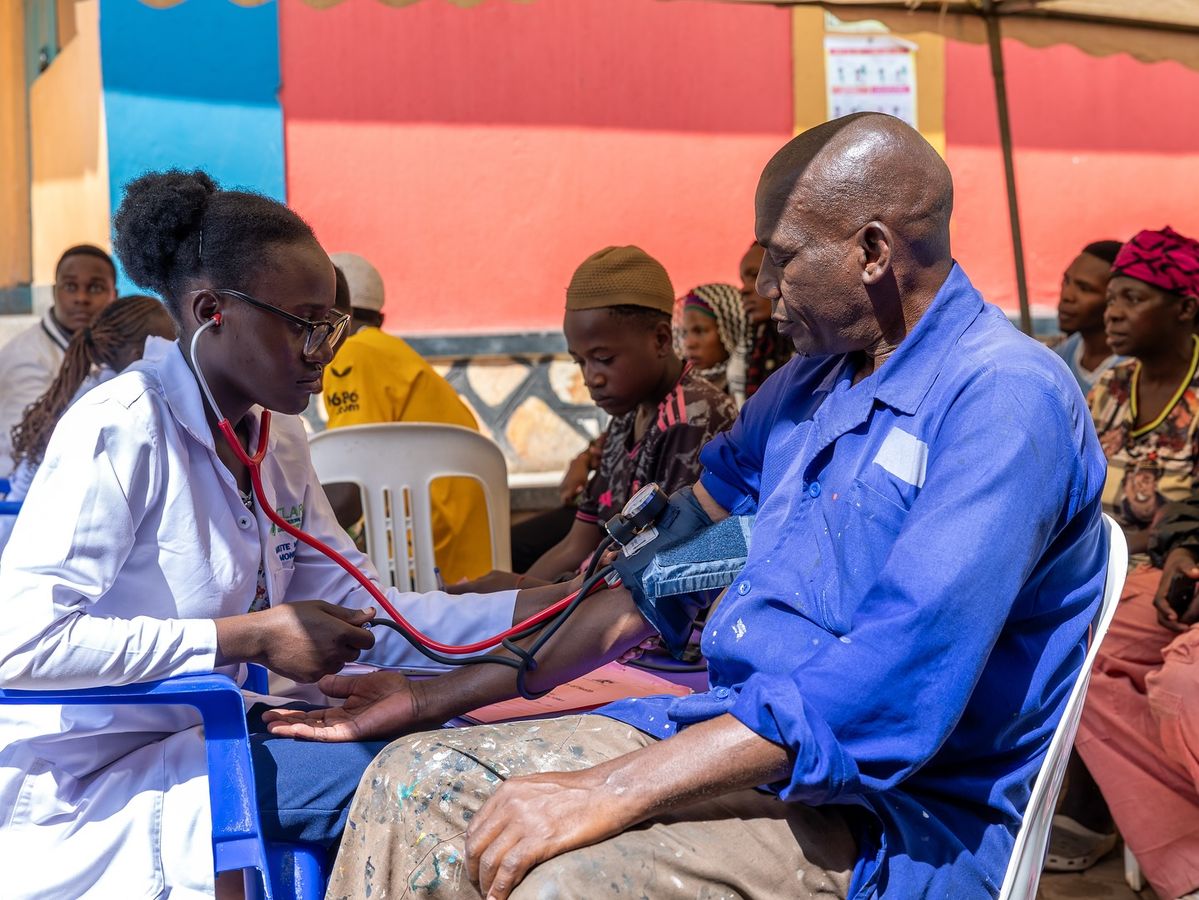
Social Work Level 6 is a competency-based diploma programme designed to equip learners with the professional knowledge, practical skills and attitudes required to work with individuals, families, groups and communities facing social, economic and psychosocial challenges.
The programme prepares learners to assess social needs, provide psychosocial support, facilitate community development initiatives, protect vulnerable populations, advocate for clients' rights and connect individuals and communities with appropriate support services.
Students develop practical skills in social work practice, counselling and communication, community development, case management, social research, advocacy, project management, child protection, psychosocial support and professional ethics.
The programme combines classroom learning with practical and industrial attachment experience, preparing graduates for employment in government agencies, non-governmental organizations, community-based organizations, rehabilitation centres and other social service settings. Social Work Level 6 is examined under the TVET-CDACC framework.
What You Will Learn
1. Social Work Practice
- Understand the principles and values of social work.
- Apply professional social work methods.
- Identify and assess individual, family and community needs.
- Develop appropriate intervention plans.
- Support clients in accessing relevant services.
2. Psychosocial Support
- Identify psychosocial needs of individuals and groups.
- Provide appropriate psychosocial support.
- Develop effective helping relationships.
- Support clients experiencing social and emotional challenges.
- Apply appropriate referral procedures.
3. Case Management
- Identify and assess client needs.
- Develop and implement case management plans.
- Maintain appropriate client records.
- Monitor client progress.
- Coordinate services and referrals.
4. Community Development
- Identify community needs and challenges.
- Participate in community mobilization.
- Plan and implement community development activities.
- Encourage community participation and empowerment.
- Support sustainable community initiatives.
5. Counselling and Communication
- Apply effective communication techniques.
- Conduct professional interviews.
- Develop active listening skills.
- Facilitate group discussions.
- Communicate effectively with clients, colleagues and community members.
6. Child Protection
- Understand children's rights and protection needs.
- Identify risks affecting children.
- Support child protection interventions.
- Understand referral and reporting procedures.
- Work with relevant agencies to promote child wellbeing.
7. Advocacy and Social Justice
- Identify social issues affecting individuals and communities.
- Advocate for vulnerable and marginalized groups.
- Promote human rights and social justice.
- Support clients in accessing services and opportunities.
- Participate in awareness and advocacy programmes.
8. Social Research
- Understand basic social research principles.
- Identify social problems requiring investigation.
- Collect and organize information.
- Conduct basic community assessments.
- Use research findings to support social interventions.
9. Community Mobilization
- Identify community stakeholders.
- Organize community meetings and activities.
- Facilitate participation in development programmes.
- Build partnerships within communities.
- Promote community ownership of projects.
10. Project Planning and Management
- Identify community development needs.
- Develop project plans.
- Participate in project implementation.
- Monitor project activities.
- Assist with project reporting and evaluation.
11. Gender and Social Development
- Understand gender-related social issues.
- Promote equality and inclusion.
- Identify barriers affecting different groups.
- Support programmes that promote social and economic empowerment.
12. Disability and Vulnerable Groups
- Understand the needs of people living with disabilities.
- Support vulnerable and marginalized populations.
- Promote inclusion and participation.
- Connect clients with appropriate support services.
13. Social Policy and Administration
- Understand social policies and their impact on communities.
- Learn how social services are organized and delivered.
- Understand the role of government and non-governmental organizations.
- Participate in social programme implementation.
14. Professional Ethics and Legal Practice
- Apply professional social work ethics.
- Maintain client confidentiality.
- Respect client rights and dignity.
- Understand professional boundaries.
- Apply relevant laws, policies and regulations in social work practice.
15. Entrepreneurship and Employability Skills
- Develop professional workplace skills.
- Identify opportunities for self-employment and social enterprise.
- Develop teamwork and leadership skills.
- Apply problem-solving and decision-making skills.
- Demonstrate professionalism and good work ethics.
Practical and Industrial Training
The programme includes practical skills development and industrial attachment. Learners get an opportunity to apply classroom knowledge in real social work environments and develop competence in client support, community work, documentation, psychosocial support, advocacy and social programme implementation.
The current curriculum provides for industrial attachment in a social work setting, with the programme documentation indicating a minimum of 480 hours of industrial attachment.
Career Opportunities
Graduates can pursue opportunities in:
- Government social service departments
- Non-governmental organizations (NGOs)
- Community-based organizations (CBOs)
- Rehabilitation centres
- Children's homes and child protection organizations
- Hospitals and healthcare facilities
- Schools and educational support programmes
- Correctional and rehabilitation institutions
- Youth development organizations
- Family support organizations
- Community development projects
- Humanitarian and social development organizations
Potential roles include:
- Social Work Officer
- Social Work Assistant
- Community Development Officer
- Community Outreach Officer
- Case Management Officer
- Social Services Assistant
- Psychosocial Support Worker
- Child Protection Worker
- Community Mobilizer
- Project/Programme Assistant
Specific job titles and responsibilities depend on the employer, professional requirements and applicable regulations.
Entry Requirements
The Level 6 qualification provides entry through either:
- KCSE mean grade C- (C minus) or equivalent, or
- Certificate in Social Work Level 5 or a related qualification, subject to the applicable requirements.
The KNQA qualification framework lists Level 6 entry at KCSE C- or Level 5 qualification.
Minimum Entry Requirement: KCSE Mean Grade C- (Minus) or Level 5 qualification.
Certification
Social Work Level 6 is a TVET-CDACC Level 6 qualification. Learners are assessed through competency-based assessment, including internal and external assessment, and certification is awarded upon demonstrating competence in the required units.
Course Details
Upcoming Intakes
Apply by: Dec 15, 2027
Apply by: Jan 15, 2028
Apply by: Feb 15, 2028
Apply by: Mar 15, 2028
Apply by: Apr 15, 2028
Apply by: May 15, 2028
Apply by: Jun 15, 2028
Apply by: Jul 15, 2028
Apply by: Aug 15, 2028
Apply by: Sep 15, 2028
Apply by: Oct 15, 2028
Apply by: Nov 15, 2028
Apply by: Dec 15, 2026
Apply by: Jan 15, 2027
Apply by: Feb 15, 2027
Apply by: Mar 15, 2027
Apply by: Apr 15, 2027
Apply by: May 15, 2027
Apply by: Jun 15, 2027
Apply by: Jul 15, 2027
Apply by: Aug 15, 2027
Apply by: Sep 15, 2027
Apply by: Oct 15, 2027
Apply by: Nov 15, 2027
Apply by: Dec 15, 2025
Apply by: Jan 15, 2026
Apply by: Feb 15, 2026
Apply by: Mar 15, 2026
Apply by: Apr 15, 2026
Apply by: May 15, 2026
Apply by: Jun 15, 2026
Apply by: Jul 15, 2026
Apply by: Aug 15, 2026
Apply by: Sep 15, 2026
Apply by: Oct 15, 2026
Apply by: Nov 15, 2026
Related Courses

Caregiving (LEVEL 3)
Learn More
Caregiving (LEVEL 4)
Learn More
Perioperative Theatre Technology (Level 6)
Perioperative Theatre Technology Level 6 is a competency-based healthcare progra...
Learn More